Study in Malaysia
-
Capital:
Kuala Lampur
-
Population
34.2 million
-
International Students
139,341
-
Universities
90+
-
Currency
Malaysian Ringgit (MYR)
-
Capital:
Stockholm
-
International Students
39,000
-
Population
10 million
-
Universities
39
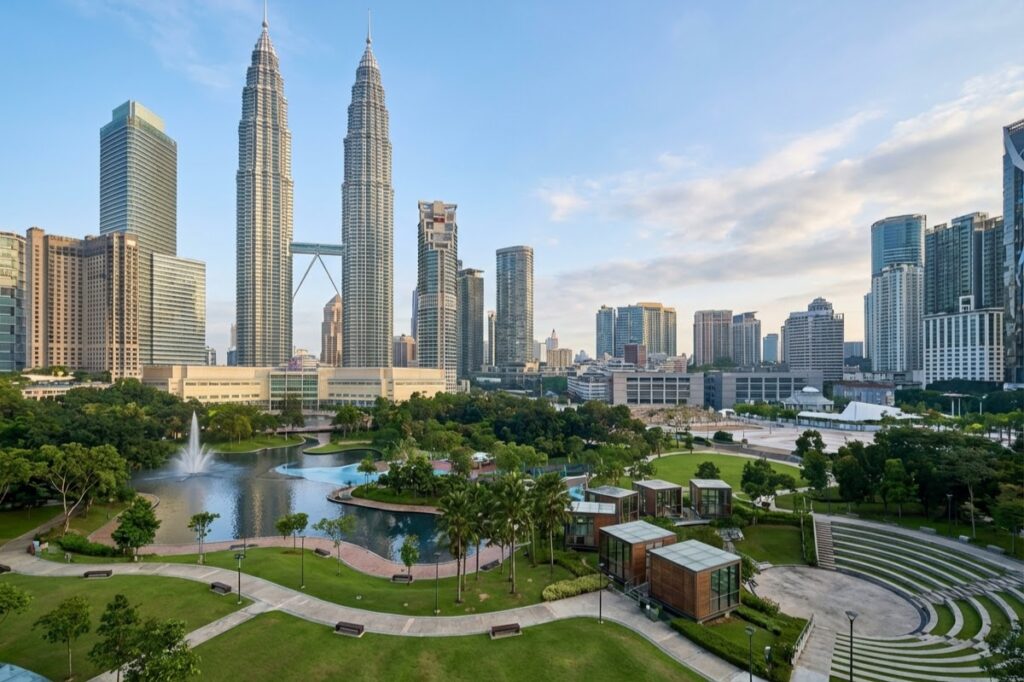





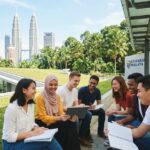
If you are looking to get world-class education & premium facilities at 25-30% of the cost, Malaysia is the best option right now. It has become one of Asia’s fastest-growing international education hubs, welcoming over 130,000+ international students from 160+ countries every year.
With world-class universities, UK & Australian degree pathways, affordable tuition, low living costs, and easy visa processing, studying in Malaysia is now a top destination for students looking for quality education at a budget-friendly cost.
If you are planning to study in Malaysia, this complete guide will help you understand intakes, universities, scholarships, costs, visa requirements, work options, and how to apply step by step. It will be everything you need to secure your studies in Malaysia easily.
The Malaysia Education Advantage
200,000+ international students from 160+ countries currently study in Malaysia
20+ Malaysian universities ranked in QS World University Rankings
60-75% cheaper than the UK, USA, or Australia
#11 globally for higher education (QS Best Student Cities)
English-medium instruction across most programs
Visa approval rate: 95%+ for genuine students
Living costs: USD $400-800/month
Estimate Your Study Abroad Expenses Instantly
Check Eligibility for Scholarships & Admissions
Why Choose Malaysia for Your Studies?
Globally Recognised Education at a Fraction of Western Costs
When you study in Malaysia, you’re accessing world-class education systems. Many Malaysian universities operate as branch campuses of prestigious UK and Australian institutions. This means you earn identical degrees to those awarded in London or Melbourne, but at 60-75% lower costs.
Example: A 3-year UK Engineering degree in London = £65,000+. Same degree at the University of Nottingham Malaysia = RM 120,000 or £21,000. You save more than £45,000 while earning the same internationally recognised qualification!
Strategic Location & Regional Hub
Malaysia’s position in Southeast Asia provides huge advantages:
ASEAN economic integration creates career opportunities across 10 countries (650+ million population market)
4-6 hours flight to major Asian cities (Singapore, Bangkok, Hong Kong, Jakarta)
English is widely spoken
Gateway to Asia for international careers
Safe, Multicultural, Muslim-Friendly Environment
For Bangladeshi students, Malaysia offers unique cultural comfort:
60% Muslim population and halal food is everywhere plus prayer facilities are available in all institutions
Extremely safe with one of Asia’s lowest crime rates
Malay, Chinese, Indian, and international communities coexist harmoniously
Strong Bangladeshi community with over 15,000+ Bangladeshi students already there
You Can Go With Dependants
Mostly, you can take your spouse with you to Malaysia while you’re studying, especially if you’re enrolled in a Master’s or PhD program. Your spouse can apply for a Dependent Pass, and the whole process is usually handled through your university or EMGS (Education Malaysia Global Services).
The main condition is that your course duration should generally be more than 12 months. You’ll need to submit documents like your marriage certificate, passport copies, and your student visa details. For postgraduate students, bringing a spouse, children, and sometimes even parents is usually allowed. For undergraduate students, the rules are a bit stricter and approval depends on the university and immigration guidelines. Contact AGP to understand everything clearly.
Quality of Life That Surprises
Studying in Malaysia means enjoying a lifestyle quality comparable to developed nations:
Modern infrastructure (world-class public transport in Kuala Lumpur)
Affordable healthcare (high quality, 80% cheaper than Western countries)
Tropical climate (consistently 25-33°C year-round)
Vibrant student life (malls, entertainment, nature, beaches all accessible)
Political stability and pro-education government policies
Post-Study Work & Career Opportunities
Malaysia offers practical pathways post-graduation:
Work permits available for graduates (renewable)
Growing economy with MNC presence (Google, Microsoft, Intel, Shell, Petronas)
Regional career springboard (many students transition to Singapore, the Middle East, or return home with valuable experience)
Entrepreneurship-friendly environment
When Can You Start? (Available Intakes in Malaysia)
Understanding intake schedules helps you plan applications strategically when you want to study in Malaysia.
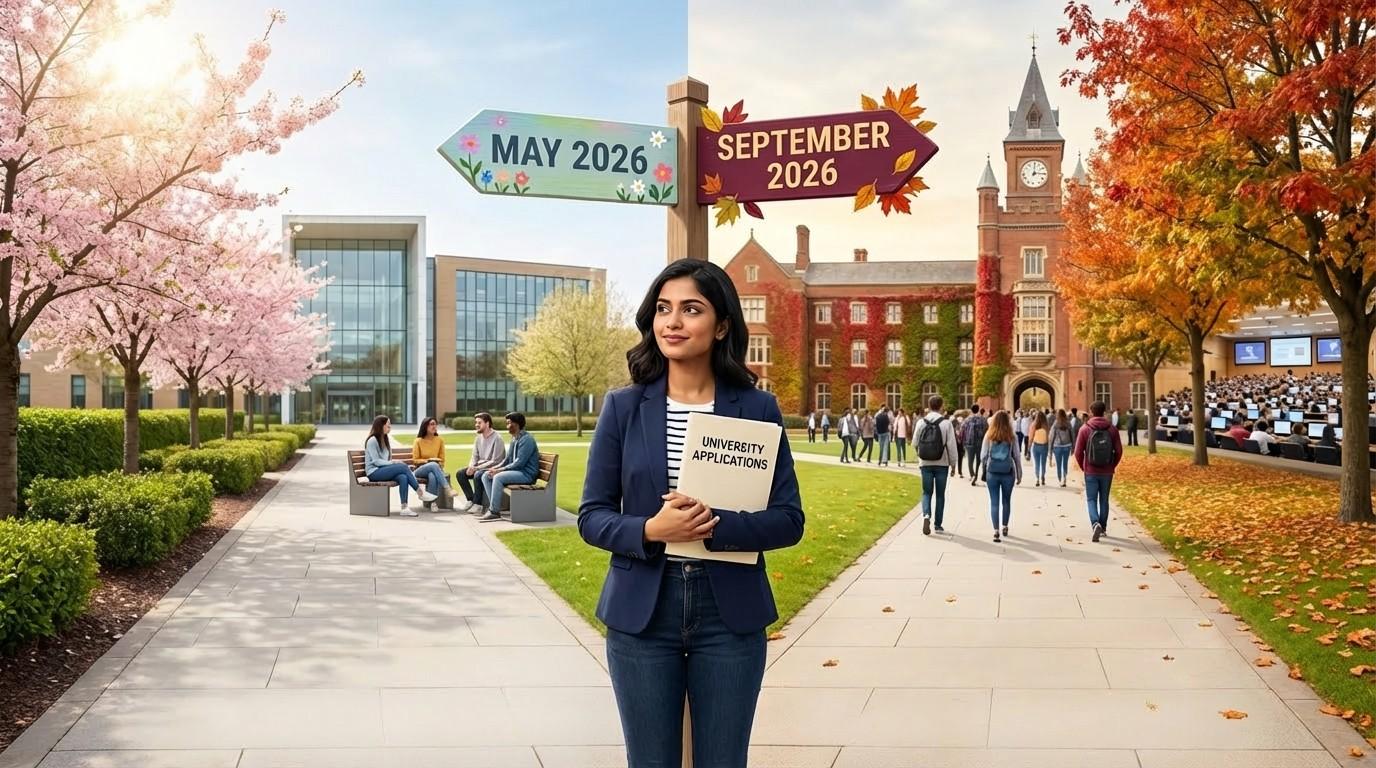
Main Intakes (Available at Most Universities): September/October Intake
Application Deadline: May-July
Best For: Students completing HSC in April-May
Advantages: Largest intake, maximum course availability, full orientation programs, best scholarship opportunities
Universities: All public and private universities
February/March Intake
Application Deadline: October-November
Best For: Students with study gaps or who missed the September intake
Advantages: Less competitive, still good course selection, faster processing
Universities: Most private universities, some public universities
May/June (Limited)
Application Deadline: February-March
Best For: Fast-track students, specific programs
Advantages: Accelerated pathway, immediate start
Universities: Select private universities only
Application Processing Timeline
When planning to study in Malaysia, expect these timelines:
Application Submission: 1-2 weeks to compile documents
University Processing: 2-4 weeks for the offer letter
eVAL (Student Pass) Processing: 4-8 weeks
Single Entry Visa: 5-7 working days
Travel & Arrival: Plan 1-2 weeks buffer
Total Timeline: 3-4 months from application to arrival (apply early!)
Top Universities & Courses in Malaysia
Understanding intake schedules helps you plan applications strategically when you want to study in Malaysia.
Main Intakes (Available at Most Universities): September/October Intake
Application Deadline: May-July
Best For: Students completing HSC in April-May
Advantages: Largest intake, maximum course availability, full orientation programs, best scholarship opportunities
Universities: All public and private universities
February/March Intake
Application Deadline: October-November
Best For: Students with study gaps or who missed the September intake
Advantages: Less competitive, still good course selection, faster processing
Universities: Most private universities, some public universities
May/June (Limited)
Application Deadline: February-March
Best For: Fast-track students, specific programs
Advantages: Accelerated pathway, immediate start
Universities: Select private universities only
Application Processing Timeline
When planning to study in Malaysia, expect these timelines:
Application Submission: 1-2 weeks to compile documents
University Processing: 2-4 weeks for the offer letter
eVAL (Student Pass) Processing: 4-8 weeks
Single Entry Visa: 5-7 working days
Travel & Arrival: Plan 1-2 weeks buffer
Total Timeline: 3-4 months from application to arrival (apply early!)
Scholarship Opportunities in Malaysia
Good news! Numerous scholarship opportunities are available for studying in Malaysia. Although the tuition fees are relatively low, these options further ease the burden of your education. Here are some top scholarship options.
Malaysian Government Scholarships
Malaysian International Scholarship (MIS)
Coverage: Full tuition + monthly allowance (RM 1,500) + accommodation
Eligibility: Outstanding academic records (85%+), leadership qualities
Application: Through Malaysian embassies
Available For: Postgraduate students (Master’s/PhD)
Malaysian Technical Cooperation Programme (MTCP)
Coverage: Full tuition + living allowance
Eligibility: Government-nominated candidates
Focus: Technical and vocational programs
University Scholarships
Merit-Based Scholarships (Most Common):
25% tuition reduction: 75-80% academic score
50% tuition reduction: 80-85% academic score
75-100% tuition reduction: 85%+ academic score + exceptional achievements
Example:
Taylor’s University: Excellence Scholarship up to 100% tuition, Automatic assessment upon application
UCSI University: UCSI Excellence Scholarship up to RM 100,000 (USD 24,325), Awarded based on academic merit
Sunway University: Jeffrey Cheah Entrance Scholarship up to 100% tuition, Various faculty-specific awards
Nottingham Malaysia: Vice-Chancellor’s Scholarship up to 100% tuition, country-specific scholarships for Bangladeshi students
How to Maximise Scholarship Chances
Apply Early: Scholarships are often first-come, first-served
Strong Academic Record: Maintain 75%+ throughout studies
Compelling Personal Statement: Articulate goals, achievements, and why you deserve support
Leadership & Extracurriculars: Demonstrate a well-rounded profile
Apply to Multiple Universities & Maximise opportunities
Reality Check: Over 40% of international students studying in Malaysia receive some form of scholarship or financial aid!
Tuition Fees & Living Cost in Malaysia for International Students
Understanding true costs helps you plan when deciding to study in Malaysia. Let’s look at the complete study cost of studying in Malaysia.
Tuition Fees (Annual)
Foundation/Pre-University: RM 15,000-25,000 (USD 3,648-6081)
Bachelor’s Degree:
Public Universities: RM 10,000-20,000 (USD 2,432-4,865)
Private Universities: RM 20,000-45,000 (USD 4,865-10,946)
Branch Campuses: RM 30,000-55,000 (USD 7,297-13,378)
Medicine/Dentistry: RM 60,000-100,000 (USD 14,595-24,325)
Master’s Degree: Coursework: RM 25,000-50,000 total (USD 6,081-12,162)
Research: Often sponsored with a stipend.
PhD: Usually fully funded with a monthly stipend (RM 2,000-3,500)
Living Costs: What You’ll Actually Spend
One of the biggest advantages of studying in Malaysia is affordable living. Here is a complete breakdown:
Accommodation
On-Campus Hostel: RM 400-800/month (USD 97-194)
Off-Campus Shared Apartment: RM 600-1,200/month (USD 145-290)
Private Studio: RM 1,200-1,800/month (USD 290-437)
Most students choose: Shared apartment (RM 700-900 = USD 170-218)
Food & Groceries
Campus cafeteria meal: RM 5-8 (USD 1.2-1.9)
Local restaurant: RM 8-15 (USD 1.9-3.7)
Monthly groceries (cooking): RM 400-600 (USD 97-145)
Monthly total (eating out + cooking): RM 600-900 (USD 145-218)
Halal food: Available Everywhere!
Transportation
Monthly public transport: RM 100-200
Student discount cards are available
Grab (like Uber): RM 10-20 per ride
Mobile & Internet
Mobile plan: RM 30-60/month
Unlimited data plans are widely available
Study Materials
Books & supplies: RM 100-200/semester
Personal & Miscellaneous
RM 200-400/month
Total Monthly Living Cost
Budget living: RM 1,500-1,800 (USD 364-437)
Comfortable living: RM 2,000-2,500 (USD 486-608)
With part-time work income, the net cost is significantly reduced!
Annual Living Expenses
RM 18,000-30,000 (USD 4378-7297)
If you compare the UK (USD 12,000-16,500/year) and Australia (USD 15,000-20,500/year), Malaysia is 60-75% cheaper!
Work Opportunities in Malaysia For International Students
International students can work while studying in Malaysia.
Work Rights & Regulations
You can work 20 hours per week maximum during the semester and full-time during semester breaks (subject to approval).
Designated sectors: Restaurants, petrol stations, retail, hospitality (approved by Immigration)
Work Pass Application:
Apply through the university’s international office
Processing Time: 4-6 weeks
- Cost: RM 50-100 (processing fees)
Earning Potential
Part-Time Jobs
Retail/Service: RM 6-10/hour
Tutoring: RM 20-40/hour
Campus jobs: RM 500-800/month
Restaurant/F&B: RM 7-12/hour
Monthly earnings potential: RM 600-1,500
This can cover: 40-70% of your living expenses!
Internship Opportunities
Industrial training (mandatory in many programs): 6-12 months
Paid internships: RM 900-1,700/month
Industry exposure leading to job offers post-graduation
Post-Graduation Work
Graduate pass available (renewable annually)
Work permit through employer sponsorship
Startup opportunities (entrepreneurship visa available)
Graduates work in:
Multinational Companies
Banking & Finance
IT & Software Firms
Engineering & Construction
Tourism & Hospitality
Logistics & Supply Chain
Media & Marketing
Malaysia’s starting salaries vary widely by industry and role, but generally range from RM 2,300 to over RM 4,000 (USD 560-973) monthly for fresh graduates. With experience, it can easily go over RM 10,000 (USD 2432) per month.
Many students who study in Malaysia move to Singapore, the Middle East, Australia, the UK, or Canada for better job opportunities after graduation.
Insider Tips to Prepare and Maximise Success for Malaysia
Study in Malaysia successfully with these practical tips to make your studies and life easier.
Application Pro Tips
Apply to Multiple Universities
Target: 3-5 universities across different tiers
Increases acceptance and scholarship chances
Compare offers and choose the best fit
Apply Early
6 months before desired intake = best scholarship opportunities
Peak season (April-July for September intake) = slower processing
Early applicants get the first choice of accommodation
Get Professional Help
Education consultants like AGP navigate complexities for free
Document verification, application strategy, visa guidance
- Higher success rates, less stress
Financial Planning Pro Tips
Budget Realistically
Add 20% buffer to official estimates
First 3 months is most expensive due to setup costs
Track spending from day one
Open A Malaysian Bank Account Immediately
Receive scholarship payments
Lower transaction fees
Easier to manage finances
Use Student Discounts Everywhere
Public transport, attractions, and restaurants offer student rates
- International Student ID Card (ISIC) = global discounts
Lifestyle Pro Tips
Learn Basic Bahasa Malaysia
Not mandatory (English widely spoken) but highly appreciated
Helps with daily life, shows respect for culture
Makes local friendships easier
Embrace Multiculturalism
Malaysia is Malay, Chinese, Indian, and international blend
Attend cultural festivals (Hari Raya, Chinese New Year, Deepavali)
Expand your worldview and network
Explore Malaysia
Domestic travel is incredibly affordable
Weekend trips can be done easily from RM 100-300
Penang, Langkawi, Cameron Highlands, Melaka are must-visits
Join Bangladeshi Student Associations
The Malaysian Bangladeshi Student Association (MBSA) is active nationwide
Instant friend network, cultural events, support system
Senior students provide invaluable guidance
Academic Pro Tips
Utilise University Resources
Libraries, study spaces, tutoring services, and career counselling
You’re paying for these – use them!
Network Actively
Professors, industry guest speakers, and career fairs
Malaysian professional connections are valuable across Asia
LinkedIn networking starts now, not after graduation
Consider Regional Campus Advantages
Universities in Johor, Penang, and Sabah offer lower living costs
Same quality education, but more affordable lifestyle
Less crowded, more personal attention
Post-Graduation Pro Tips
Build Regional Network
ASEAN integration creates borderless career opportunities
Malaysian credentials recognised across Southeast Asia
Consider the Singapore job market (2-hour drive/flight from Lumpur).
Document Everything
Keep all certificates, transcripts, and recommendation letters
Professional portfolio of projects, internships
Makes credential verification easier for future employers
How to Apply For Study in Malaysia
Ready to study in Malaysia? Here’s your complete roadmap.
Step 1: Research & Shortlist (2-4 weeks)
Research universities offering your desired program
Compare tuition fees, scholarships, rankings, and location
Check program accreditation and recognition
Read student reviews and testimonials
Consult with AGP for expert recommendations
Resources:
Malaysian Qualifications Agency (MQA) – accreditation verification
Official university websites
Education fairs (AGP will organise regular Malaysia education fairs)
Step 2: Prepare Documents (2-3 weeks)
Required Documents:
Completed application form (university-specific)
Passport copy (biographical page)
Passport-size photographs (white background)
Academic transcripts (certified, translated if necessary)
Academic certificates (SSC, HSC/A-Level, Bachelor’s)
English proficiency test result
Personal statement/Motivation letter
Recommendation letters (2-3, for postgraduate)
CV/Resume (for postgraduate)
Bank statements/Financial sponsorship documents
Copy of sponsor’s ID (parent/guardian)
Medical report (if required)
Document Preparation Tips:
Get documents certified by authorised institutions
Translate documents into English (if in Bengali)
Make 3-4 copies of everything (you’ll need multiple submissions)
Keep digital copies of all documents in a folder
Step 3: Submit Applications (1-2 weeks)
Application Methods
Through AGP: Recommended – we handle everything FREE, increase success rates
Direct to University: Possible, but requires navigating each university’s portal individually
Online portals: Most universities accept digital submissions
Application Fees
RM 300-1,000 (USD 73-243) depending on the university
Some universities waive fees for early applicants or through agents
Step 4: Receive Offer Letter (2-6 weeks)
What to Expect
Conditional Offer: Pending final documents/English test
Unconditional Offer: All requirements met, admission confirmed
Review program details, tuition fees, start date, and scholarship awards (if applicable)
and terms and conditions carefully.
Accept Offer:
Pay acceptance fee (RM 500-2,000 = USD 121-486)
Usually deducted from first semester tuition
Step 5: Apply for Student Pass (eVAL) (4-8 weeks)
Process:
University submits eVAL (Electronic Visa Approval Letter) application to Malaysian Immigration on your behalf
You provide the required documents and pay the fees
Required for eVAL:
Offer letter acceptance
Passport copy
Medical screening results (some universities)
Financial proof
Student pass processing fee (RM 2,000-3,000)
Processing Time:
Government: 4-8 weeks
Private universities: 3-6 weeks
Track status through the EMGS (Education Malaysia Global Services) portal
eVAL Approval:
Receive electronic approval letter via email
Valid for a single entry to Malaysia
Important: eVAL is NOT your student visa. It’s approval to enter Malaysia and complete student pass formalities.
Step 6: Apply for Single Entry Visa (SEV) (5-10 working days)
After receiving eVAL, apply for a Single Entry Visa at the Malaysian High Commission/Embassy in Bangladesh. This allows you to enter Malaysia.
Required Documents:
Passport (original + copy)
eVAL approval letter
Offer letter
Passport photographs
Visa application form
Processing fee (varies)
Processing
Dhaka: Malaysian High Commission, Gulshan
Processing time: 5-10 working days
Collection: In person or authorised representative
Step 7: Travel Arrangements (2-3 weeks before departure)
Book Flights:
Main airports: Kuala Lumpur International Airport (KLIA), Penang, Johor Bahru
Average cost from Bangladesh: BDT ৳20,000-40,000 (Dhaka-KL)
Airlines: Malaysia Airlines, AirAsia, US Bangla, Biman Bangladesh
Arrange Airport Pickup:
Most universities offer airport pickup service (sometimes free, sometimes RM 50-150)
Book in advance through the international office.
Pack Smart:
Tropical climate: Light, breathable clothing
Modest dress (respect Muslim-majority culture)
Bring some formal wear (presentations, interviews)
Initial medications, toiletries (readily available in Malaysia but helpful for the first week)
Step 8: Arrival & Student Pass Completion (First 7 days in Malaysia)
Upon Arrival:
Immigration clearance with eVAL and Single Entry Visa
Medical screening (chest X-ray, blood test) arranged by the university which costs RM 200-350
Complete student pass formalities – biometrics, document verification
Receive student pass sticker in passport (takes 5-7 days after arrival)
University Registration:
Report to the international student office within 7 days
Complete enrollment procedures
Receive student ID card
Attend orientation programs
Settle In:
Move into accommodation
Open a bank account (bring student pass, passport, university letter)
Get a local SIM card (bring passport, student pass)
Explore campus and city
Total Timeline: Application to Arrival
If you are applying 6 months (and we recommend you do that) before intake follow these steps:
Month 1-2: Research, prepare documents, submit applications
Month 2-3: Receive offers, accept, pay fees
Month 3-5: eVAL processing
Month 5-6: SEV application, travel arrangements
Month 6: Arrive and settle
Start early! Delays happen – buffer time prevents stress.
Is Malaysia Right for You?
Studying in Malaysia is perfect if you want:
Globally recognised degrees at 60-75% lower costs than Western countries
English-medium education without IELTS stress (many universities are flexible)
Multicultural, Muslim-friendly environment (halal food, prayer facilities everywhere)
Safe, modern lifestyle with tropical climate and affordable living
Strategic Asian location opening ASEAN career opportunities
Practical work experience through part-time work and internships
Shorter flights home (5 hours Dhaka-Kualalampur) and easier family visits
Pathway to global careers (many students transition to Singapore, the Middle East, UK, Australia)
Malaysia might not be ideal if you:
Specifically need US/UK degree prestige for certain careers (though branch campuses offer this)
Want guaranteed post-graduation PR (Malaysia doesn’t have easy PR like Canada/Australia, though work permits are available)
Prefer very cold climates (Malaysia = tropical year-round)
For 90% of Bangladeshi students looking for quality, affordable, internationally recognised education in a comfortable environment, Malaysia is an exceptional choice that delivers outstanding value.
Ready to Start Your Malaysian Education Journey?It’s hard to navigate this process alone! AGP has helped hundreds of Bangladeshi students successfully study in Malaysia. Add yourself among them!
Book your FREE consultation and take the first step toward your Malaysian education dream. Contact Now!
Why Choose Malaysia for Your Studies?
Globally Recognised Education at a Fraction of Western Costs
When you study in Malaysia, you’re accessing world-class education systems. Many Malaysian universities operate as branch campuses of prestigious UK and Australian institutions. This means you earn identical degrees to those awarded in London or Melbourne, but at 60-75% lower costs.
Example: A 3-year UK Engineering degree in London = £65,000+. Same degree at the University of Nottingham Malaysia = RM 120,000 or £21,000. You save more than £45,000 while earning the same internationally recognised qualification!
Strategic Location & Regional Hub
Malaysia’s position in Southeast Asia provides huge advantages:
ASEAN economic integration creates career opportunities across 10 countries (650+ million population market)
4-6 hours flight to major Asian cities (Singapore, Bangkok, Hong Kong, Jakarta)
English is widely spoken
Gateway to Asia for international careers
Safe, Multicultural, Muslim-Friendly Environment
For Bangladeshi students, Malaysia offers unique cultural comfort:
60% Muslim population and halal food is everywhere, plus prayer facilities are available in all institutions
Extremely safe with one of Asia’s lowest crime rates
Malay, Chinese, Indian, and international communities coexist harmoniously
Strong Bangladeshi community with over 15,000+ Bangladeshi students already there
You Can Go With Dependents
Mostly, you can take your spouse with you to Malaysia while you’re studying, especially if you’re enrolled in a Master’s or PhD program. Your spouse can apply for a Dependent Pass, and the whole process is usually handled through your university or EMGS (Education Malaysia Global Services).
The main condition is that your course duration should generally be more than 12 months. You’ll need to submit documents like your marriage certificate, passport copies, and your student visa details. For postgraduate students, bringing a spouse, children, and sometimes even parents is usually allowed. For undergraduate students, the rules are a bit stricter and approval depends on the university and immigration guidelines. Contact AGP to understand everything clearly.
Quality of Life That Surprises
Studying in Malaysia means enjoying a lifestyle quality comparable to developed nations:
Modern infrastructure (world-class public transport in Kuala Lumpur)
Affordable healthcare (high quality, 80% cheaper than Western countries)
Tropical climate (consistently 25-33°C year-round)
Vibrant student life (malls, entertainment, nature, beaches all accessible)
Political stability and pro-education government policies
Post-Study Work & Career Opportunities
Malaysia offers practical pathways after graduation:
Work permits available for graduates (renewable)
Growing economy with MNC presence (Google, Microsoft, Intel, Shell, Petronas)
Regional career springboard (many students transition to Singapore, the Middle East, or return home with valuable experience)
Entrepreneurship-friendly environment
When Can You Start? (Available Intakes in Malaysia)
Understanding intake schedules helps you plan applications strategically when you want to study in Malaysia.
Main Intakes (Available at Most Universities): September/October Intake
Application Deadline: May-July
Best For: Students completing HSC in April-May
Advantages: Largest intake, maximum course availability, full orientation programs, best scholarship opportunities
Universities: All public and private universities
February/March Intake
Application Deadline: October-November
Best For: Students with study gaps or who missed the September intake
Advantages: Less competitive, still good course selection, faster processing
Universities: Most private universities, some public universities
May/June (Limited)
Application Deadline: February-March
Best For: Fast-track students, specific programs
Advantages: Accelerated pathway, immediate start
Universities: Select private universities only
Application Processing Timeline
When planning to study in Malaysia, expect these timelines:
Application Submission: 1-2 weeks to compile documents
University Processing: 2-4 weeks for the offer letter
eVAL (Student Pass) Processing: 4-8 weeks
Single Entry Visa: 5-7 working days
Travel & Arrival: Plan 1-2 weeks buffer
Total Timeline: 3-4 months from application to arrival (apply early!)
Top Universities & Courses in Malaysia
Malaysia offers an incredible variety of universities when you choose to study in Malaysia.
Types of Universities
Public Universities (Government-Funded)
Advantages: Lower tuition fees (RM 20,000-40,000/year = USD 4865-9730/year), Strong research focus, Government subsidised, Large campuses with extensive facilities.
Top Public Universities:
Universiti Malaya (UM) – #60 globally (QS 2025)
Universiti Putra Malaysia (UPM) – #148 globally
Universiti Kebangsaan Malaysia (UKM) – #159 globally
Universiti Sains Malaysia (USM) – #162 globally
Universiti Teknologi Malaysia (UTM) – #181 globally
Popular programs include Engineering, Science, Medicine, Agriculture and Islamic Studies.
Private Universities (Local Malaysian)
Advantages: More flexible admission requirements, English-medium instruction, Modern facilities, Strong industry connections, Faster administrative processes
Top Private Universities:
Taylor’s University – #251-260 globally, #1 private in Malaysia
UCSI University – #265 globally
Sunway University – #586 globally
Asia Pacific University (APU) – Top technology university
Management & Science University (MSU)
Popular programs include Business, IT, Engineering, Hospitality, Design, and Mass Communication.
International Branch Campuses
Advantages: Identical degrees to home campus (UK/Australia), Lower costs than studying in the origin country, Same quality standards and accreditation, Opportunity to transfer to the main campus
Top Branch Campuses:
University of Nottingham Malaysia – Full UK Nottingham degree
Monash University Malaysia – Full Australian Monash degree
Heriot-Watt University Malaysia – Full UK degree
Curtin University Malaysia – Full Australian Curtin degree
Swinburne University of Technology, Sarawak
Popular programs include Engineering, Business, IT, Science and Psychology.
Most Popular Programs for International Students
Engineering (Electrical, Mechanical, Civil, Chemical, Software)
Business & Management (MBA, BBA, Accounting, Finance)
Information Technology (Computer Science, Cybersecurity, Data Science)
Medicine & Health Sciences (MBBS, Pharmacy, Nursing
Hospitality & Tourism Management
Degree Types Available
Foundation/Pre-University: 1 year (for students not meeting direct entry)
Diploma: 2-3 years (technical/vocational focus)
Bachelor’s Degree: 3-4 years
Master’s Degree: 1-2 years (coursework or research)
PhD: 3-5 years (research-focused)

Scholarship Opportunities in Malaysia
Good news! Numerous scholarship opportunities are available for studying in Malaysia. Although the tuition fees are relatively low, these options further ease the burden of your education. Here are some top scholarship options.
Malaysian Government Scholarships
Malaysian International Scholarship (MIS)
Coverage: Full tuition + monthly allowance (RM 1,500) + accommodation
Eligibility: Outstanding academic records (85%+), leadership qualities
Application: Through Malaysian embassies
Available For: Postgraduate students (Master’s/PhD)
Malaysian Technical Cooperation Programme (MTCP)
Coverage: Full tuition + living allowance
Eligibility: Government-nominated candidates
Focus: Technical and vocational programs
University Scholarships
Merit-Based Scholarships (Most Common):
25% tuition reduction: 75-80% academic score
50% tuition reduction: 80-85% academic score
75-100% tuition reduction: 85%+ academic score + exceptional achievements
Example:
Taylor’s University: Excellence Scholarship up to 100% tuition, Automatic assessment upon application
UCSI University: UCSI Excellence Scholarship up to RM 100,000 (USD 24,325), Awarded based on academic merit
Sunway University: Jeffrey Cheah Entrance Scholarship up to 100% tuition, Various faculty-specific awards
Nottingham Malaysia: Vice-Chancellor’s Scholarship up to 100% tuition, country-specific scholarships for Bangladeshi students
How to Maximise Scholarship Chances
Apply Early: Scholarships are often first-come, first-served
Strong Academic Record: Maintain 75%+ throughout studies
Compelling Personal Statement: Articulate goals, achievements, and why you deserve support
Leadership & Extracurriculars: Demonstrate a well-rounded profile
Apply to Multiple Universities & Maximise opportunities
Reality Check: Over 40% of international students studying in Malaysia receive some form of scholarship or financial aid!
Tuition Fees in Malaysia for International Students
Understanding true costs helps you plan when deciding to study in Malaysia. Let’s look at the complete study cost of studying in Malaysia.
Foundation/Pre-University: RM 15,000-25,000 (USD 3,648-6081)
Bachelor’s Degree:
Public Universities: RM 10,000-20,000 (USD 2,432-4,865)
Private Universities: RM 20,000-45,000 (USD 4,865-10,946)
Branch Campuses: RM 30,000-55,000 (USD 7,297-13,378)
Medicine/Dentistry: RM 60,000-100,000 (USD 14,595-24,325)
Master’s Degree: Coursework: RM 25,000-50,000 total (USD 6,081-12,162)
Research: Often sponsored with a stipend.
PhD: Usually fully funded with a monthly stipend (RM 2,000-3,500)
Living Costs in Malaysia
One of the biggest advantages of studying in Malaysia is affordable living. Here is a complete breakdown:
Accommodation
On-Campus Hostel: RM 400-800/month (USD 97-194)
Off-Campus Shared Apartment: RM 600-1,200/month (USD 145-290)
Private Studio: RM 1,200-1,800/month (USD 290-437)
Most students choose: Shared apartment (RM 700-900 = USD 170-218)
Food & Groceries
Campus cafeteria meal: RM 5-8 (USD 1.2-1.9)
Local restaurant: RM 8-15 (USD 1.9-3.7)
Monthly groceries (cooking): RM 400-600 (USD 97-145)
Monthly total (eating out + cooking): RM 600-900 (USD 145-218)
Halal food: Available Everywhere!
Transportation
Monthly public transport: RM 100-200
Student discount cards are available
Grab (like Uber): RM 10-20 per ride
Mobile & Internet
Mobile plan: RM 30-60/month
Unlimited data plans are widely available
Study Materials
Books & supplies: RM 100-200/semester
Personal & Miscellaneous
RM 200-400/month
Total Monthly Living Cost
Budget living: RM 1,500-1,800 (USD 364-437)
Comfortable living: RM 2,000-2,500 (USD 486-608)
With part-time work income, the net cost is significantly reduced!
Annual Living Expenses
RM 18,000-30,000 (USD 4378-7297)
If you compare UK = USD 12,000-16,500/year | Australia = USD 15,000-20,500/year
Malaysia is 60-75% cheaper!
Malaysia Study Requirements
Most international & Bangladeshi students easily meet the requirements to study in Malaysia.
Academic Requirements
Foundation/Pre-University Programs: SSC/O-Levels with a minimum 50% aggregate, Age: 16+ years
Bachelor’s Degree:
HSC/A-Levels with a minimum 50-60% (varies by program)
Competitive programs (Medicine, Engineering): 70-80%+
Relevant subject requirements: Science subjects for Engineering/Medicine, Mathematics for IT/Business
Master’s Degree:
Bachelor’s degree with a minimum 2.50-2.75 CGPA (55-60%)
Competitive programs: 3.0+ CGPA (65%+)
Relevant field: An Undergraduate degree should align with the postgraduate program
PhD: Master’s degree with a strong research component, Research proposal demonstrating clear research objectives
English Language Requirements
Here are the accepted Tests & Minimum Scores for each:
IELTS
Foundation: 4.5-5.0
Bachelor’s: 5.0-6.0
Master’s: 5.5-6.5
PhD: 6.0-7.0
TOEFL iBT
Foundation: 40-45
Bachelor’s: 46-60
Master’s: 60-79
PhD: 79-90
PTE Academic
Foundation: 36-42
Bachelor’s: 42-50
Master’s: 50-59
MUET (Malaysian University English Test): Can be taken in Malaysia after arrival. It is an Alternative to IELTS/TOEFL
English Language Waivers For:
English-medium secondary/undergraduate education
Some universities offer conditional admission with an English course
Financial Requirements (Visa)
Bank Statement Requirements:
Minimum balance proof (varies by university)
Typical requirement: RM 15,000-30,000 (USD 12,262-24,524) or proof of sponsorship
Must show funds for first-year tuition + living expenses
Sponsorship
Parent/guardian sponsorship documents
Employment verification, income statements, tax returns
Other Requirements
Medical: Medical screening upon arrival in Malaysia (included in student pass process)
Some vaccines may be required
Passport: Valid for at least 18 months
Documents Checklist:
Academic transcripts (certified copies)
Certificates (SSC, HSC/A-Level)
Passport copy
Passport-size photographs
English proficiency test result
Bank statements/sponsorship documents
Personal statement/motivation letter
Recommendation letters (for postgraduate)
CV/Resume (for postgraduate)
Work Opportunities in Malaysia For International Students
International students can work while studying in Malaysia.
Work Rights & Regulations
You can work 20 hours per week maximum during the semester and full-time during semester breaks (subject to approval).
Designated sectors: Restaurants, petrol stations, retail, hospitality (approved by Immigration)
Work Pass Application:
Apply through the university’s international office
Processing Time: 4-6 weeks
Cost: RM 50-100 (processing fees)
Earning Potential
Part-Time Jobs
Retail/Service: RM 6-10/hour
Tutoring: RM 20-40/hour
Campus jobs: RM 500-800/month
Restaurant/F&B: RM 7-12/hour
Monthly earnings potential: RM 600-1,500
This can cover 40-70% of your living expenses!
Internship Opportunities
Industrial training (mandatory in many programs): 6-12 months
Paid internships: RM 900-1,700/month
Industry exposure leading to job offers post-graduation
Post-Graduation Work
Graduate pass available (renewable annually)
Work permit through employer sponsorship
Startup opportunities (entrepreneurship visa available)
Graduates work in:
Multinational Companies
Banking & Finance
IT & Software Firms
Engineering & Construction
Tourism & Hospitality
Logistics & Supply Chain
Media & Marketing
Malaysia’s starting salaries vary widely by industry and role, but generally range from RM 2,300 to over RM 4,000 (USD 560-973) monthly for fresh graduates. With experience, it can easily go over RM 10,000 (USD 2432) per month.
Many students who study in Malaysia move to Singapore, the Middle East, Australia, the UK or Canada for better job opportunities after graduation.
Insider Tips for Studying in Malaysia
Study in Malaysia successfully with these practical tips to make your studies and life easier.
Application Pro Tips
Apply to Multiple Universities
Target: 3-5 universities across different tiers
Increases acceptance and scholarship chances
Compare offers and choose the best fit
Apply Early
6 months before desired intake = best scholarship opportunities
Peak season (April-July for September intake) = slower processing
Early applicants get the first choice of accommodation
Get Professional Help
Education consultants like AGP navigate complexities for free
Document verification, application strategy, visa guidance
Higher success rates, less stress
Financial Planning Pro Tips
Budget Realistically
Add 20% buffer to official estimates
First 3 months is most expensive due to setup costs
Track spending from day one
Open A Malaysian Bank Account Immediately
Receive scholarship payments
Lower transaction fees
Easier to manage finances
Use Student Discounts Everywhere
Public transport, attractions, and restaurants offer student rates
International Student ID Card (ISIC) = global discounts
Lifestyle Pro Tips
Learn Basic Bahasa Malaysia
Not mandatory (English widely spoken) but highly appreciated
Helps with daily life, shows respect for culture
Makes local friendships easier
Embrace Multiculturalism
Malaysia is Malay, Chinese, Indian, and international blend
Attend cultural festivals (Hari Raya, Chinese New Year, Deepavali)
Expand your worldview and network
Explore Malaysia
Domestic travel is incredibly affordable
Weekend trips can be done easily from RM 100-300
Penang, Langkawi, Cameron Highlands, Melaka are must-visits
Join Bangladeshi Student Associations
The Malaysian Bangladeshi Student Association (MBSA) is active nationwide
Instant friend network, cultural events, support system
Senior students provide invaluable guidance
Academic Pro Tips
Utilise University Resources
Libraries, study spaces, tutoring services, and career counselling
You’re paying for these – use them!
Network Actively
Professors, industry guest speakers, and career fairs
Malaysian professional connections are valuable across Asia
LinkedIn networking starts now, not after graduation
Consider Regional Campus Advantages
Universities in Johor, Penang, and Sabah offer lower living costs
Same quality education, but more affordable lifestyle
Less crowded, more personal attention
Post-Graduation Pro Tips
Build Regional Network
ASEAN integration creates borderless career opportunities
Malaysian credentials recognised across Southeast Asia
Consider the Singapore job market (2-hour drive/flight from Kualalampur)
Document Everything
Keep all certificates, transcripts, and recommendation letters
Professional portfolio of projects, internships
Makes credential verification easier for future employers
How to Apply For Study in Malaysia Step by Step
Ready to study in Malaysia? Here’s your complete roadmap.
Step 1: Research & Shortlist (2-4 weeks)
Research universities offering your desired program
Compare tuition fees, scholarships, rankings, and location
Check program accreditation and recognition
Read student reviews and testimonials
Consult with AGP for expert recommendations
Resources:
Malaysian Qualifications Agency (MQA) – accreditation verification
Official university websites
Education fairs (AGP will organise regular Malaysia education fairs)
Step 2: Prepare Documents (2-3 weeks)
Required Documents:
Completed application form (university-specific)
Passport copy (biographical page)
Passport-size photographs (white background)
Academic transcripts (certified, translated if necessary)
Academic certificates (SSC, HSC/A-Level, Bachelor’s)
English proficiency test result
Personal statement/Motivation letter
Recommendation letters (2-3, for postgraduate)
CV/Resume (for postgraduate)
Bank statements/Financial sponsorship documents
Copy of sponsor’s ID (parent/guardian)
Medical report (if required)
Document Preparation Tips:
Get documents certified by authorised institutions
Translate documents into English (if in Bengali)
Make 3-4 copies of everything (you’ll need multiple submissions)
Keep digital copies of all documents in a folder
Step 3: Submit Applications (1-2 weeks)
Application Methods
Through AGP: Recommended – we handle everything FREE, increase success rates
Direct to University: Possible, but requires navigating each university’s portal individually
Online portals: Most universities accept digital submissions
Application Fees
RM 300-1,000 (USD 73-243) depending on the university
Some universities waive fees for early applicants or through agents
Step 4: Receive Offer Letter (2-6 weeks)
What to Expect
Conditional Offer: Pending final documents/English test
Unconditional Offer: All requirements met, admission confirmed
Review program details, tuition fees, start date, and scholarship awards (if applicable)
and terms and conditions carefully.
Accept Offer:
Pay acceptance fee (RM 500-2,000 = USD 121-486)
Usually deducted from first semester tuition
Step 5: Apply for Student Pass (eVAL) (4-8 weeks)
Process:
University submits eVAL (Electronic Visa Approval Letter) application to Malaysian Immigration on your behalf
You provide the required documents and pay the fees
Required for eVAL:
Offer letter acceptance
Passport copy
Medical screening results (some universities)
Financial proof
Student pass processing fee (RM 2,000-3,000)
Processing Time:
Government: 4-8 weeks
Private universities: 3-6 weeks
Track status through the EMGS (Education Malaysia Global Services) portal
eVAL Approval:
Receive electronic approval letter via email
Valid for a single entry to Malaysia
Important: eVAL is NOT your student visa. It’s approval to enter Malaysia and complete student pass formalities.
Step 6: Apply for Single Entry Visa (SEV) (5-10 working days)
After receiving eVAL, apply for a Single Entry Visa at the Malaysian High Commission/Embassy in Bangladesh. This allows you to enter Malaysia.
Required Documents:
Passport (original + copy)
eVAL approval letter
Offer letter
Passport photographs
Visa application form
Processing fee (varies)
Processing
Dhaka: Malaysian High Commission, Gulshan
Processing time: 5-10 working days
Collection: In person or authorised representative
Step 7: Travel Arrangements (2-3 weeks before departure)
Book Flights:
Main airports: Kuala Lumpur International Airport (KLIA), Penang, Johor Bahru
Average cost from Bangladesh: BDT ৳20,000-40,000 (Dhaka-KL)
Airlines: Malaysia Airlines, AirAsia, US Bangla, Biman Bangladesh
Arrange Airport Pickup:
Most universities offer airport pickup service (sometimes free, sometimes RM 50-150). Book in advance through the international office.
Pack Smart
Tropical climate: Light, breathable clothing
Modest dress (respect Muslim-majority culture)
Bring some formal wear (presentations, interviews)
Initial medications, toiletries (readily available in Malaysia but helpful for the first week)
Step 8: Arrival & Student Pass Completion (First 7 days in Malaysia)
Upon Arrival:
Immigration clearance with eVAL and Single Entry Visa
Medical screening (chest X-ray, blood test) arranged by the university which costs RM 200-350
Complete student pass formalities – biometrics, document verification
Receive student pass sticker in passport (takes 5-7 days after arrival)
University Registration:
Report to the international student office within 7 days
Complete enrollment procedures
Receive student ID card
Attend orientation programs
Settle In:
Move into accommodation
Open a bank account (bring student pass, passport, university letter)
Get a local SIM card (bring passport, student pass)
Explore campus and city
Total Timeline: Application to Arrival
If you are applying 6 months (and we recommend you do that) before intake follow these steps:
Month 1-2: Research, prepare documents, submit applications
Month 2-3: Receive offers, accept, pay fees
Month 3-5: eVAL processing
Month 5-6: SEV application, travel arrangements
Month 6: Arrive and settle
Start early! Delays happen – buffer time prevents stress.
Is Malaysia Right for You?
Studying in Malaysia is perfect if you want:
Globally recognised degrees at 60-75% lower costs than Western countries
English-medium education without IELTS stress (many universities are flexible)
Multicultural, Muslim-friendly environment (halal food, prayer facilities everywhere)
Safe, modern lifestyle with tropical climate and affordable living
Strategic Asian location opening ASEAN career opportunities
Practical work experience through part-time work and internships
Shorter flights home (5 hours Dhaka-Kualalampur) and easier family visits
Pathway to global careers (many students transition to Singapore, the Middle East, UK, Australia)
Malaysia might not be ideal if you:
Specifically need US/UK degree prestige for certain careers (though branch campuses offer this)
Want guaranteed post-graduation PR (Malaysia doesn’t have easy PR like Canada/Australia, though work permits are available)
Prefer very cold climates (Malaysia = tropical year-round)
For around 90% of Bangladeshi students looking for quality, affordable, internationally recognised education in a comfortable environment, Malaysia is an exceptional choice that delivers outstanding value.
Ready to Start Your Malaysian Education Journey? It’s hard to navigate this process alone!
AGP has helped hundreds of Bangladeshi students successfully study in Malaysia. Add yourself among them.
Book your FREE consultation and take the first step toward your Malaysian education dream. Contact Now!
Get Clear Answers to All Your Study Abroad Questions
Ask Us Anything
Malaysia offers affordable tuition fees, globally recognised degrees, top-ranked universities, and a safe, multicultural environment – making it one of the best study destinations in Asia.
The average tuition fee in Malaysia ranges from USD 3,000 to USD 8,000 per year, making it one of the most affordable study destinations for international students.
To get a Malaysian student visa, you need an offer letter, academic transcripts, a passport, a medical report, and financial proof for tuition and living expenses.
Yes, international students in Malaysia can work up to 20 hours per week during semester breaks and holidays in approved sectors.
Top courses in Malaysia include Business, Engineering, IT, Hospitality, Medicine, and Computer Science, all offered by globally ranked universities.
Yes, Malaysia is considered one of the safest and most student-friendly countries in Asia, with low living costs and a welcoming culture for international students.
Latest UK Blogs