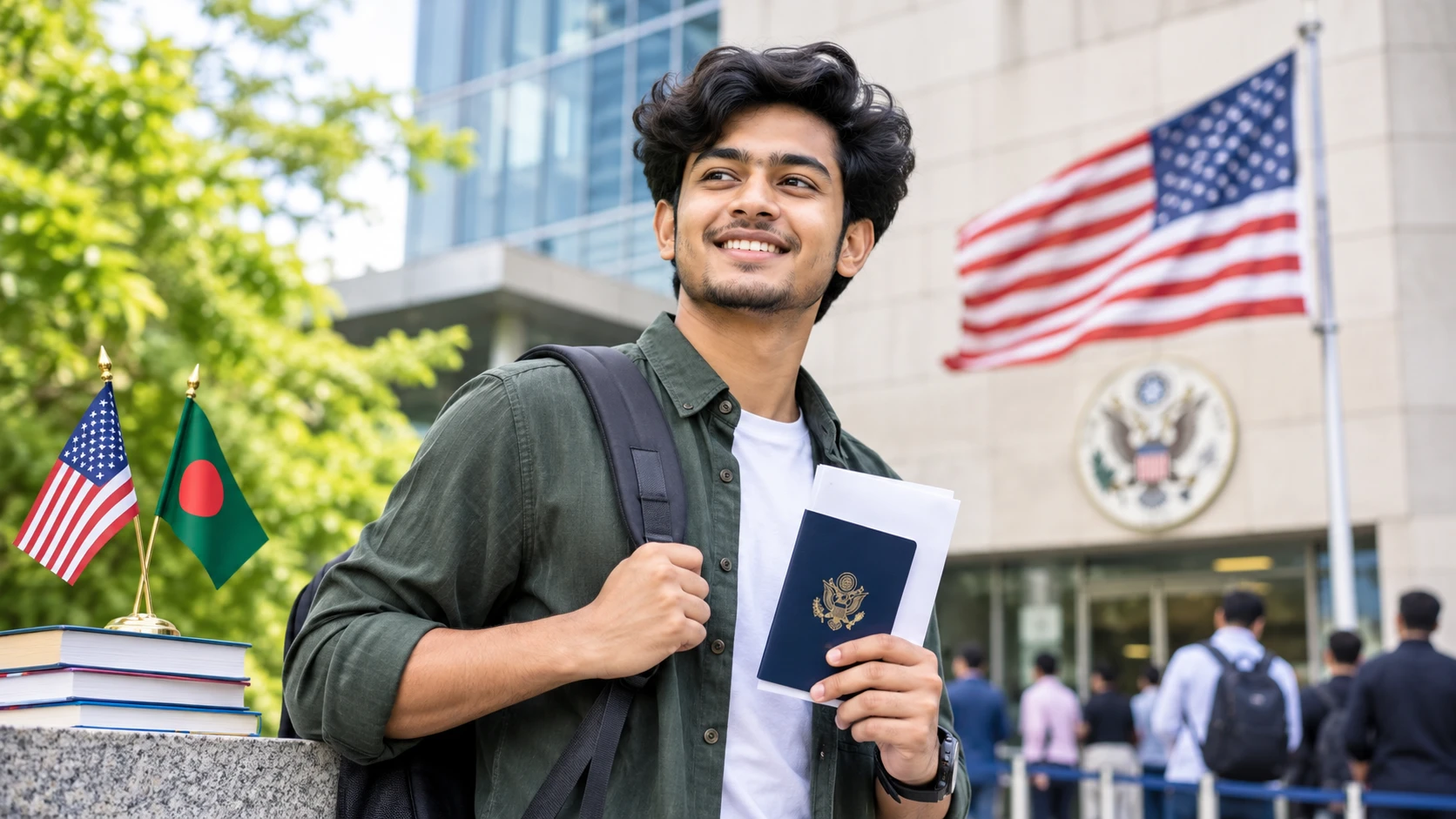
USA F1 visa interview preparation for Bangladeshi students starts with three practical questions. Why does this program fit your academic plans? How will you pay for tuition, living expenses and travel? What do you intend to do after your studies? Use your own circumstances and documents to prepare clear, honest answers.
USA F1 Visa Interview Preparation for Bangladeshi Students
- Receive your Form I-20 from your U.S. school and check your name, program dates and estimated costs.
- Complete Form DS-160 and save the barcode confirmation page.
- Pay the applicable visa application and I-901 SEVIS fees through official channels and keep the receipts.
- Schedule your interview and review the current instructions for applicants in Bangladesh.
Check the U.S. Department of State student visa guide for eligibility and document requirements.
Document checklist for Bangladeshi F1 applicants
- Valid passport and printed DS-160 confirmation page.
- Form I-20 signed by you and the school official.
- Appointment confirmation, applicable fee receipts and a printed photo if required.
- Academic transcripts, certificates and any relevant test scores.
- Financial records that support your funding plan, including any scholarship, sponsor or education loan documentation.
Check the appointment notice for local instructions and any items you may bring into the embassy.
How to show financial sponsor proof for an F1 visa from Bangladesh
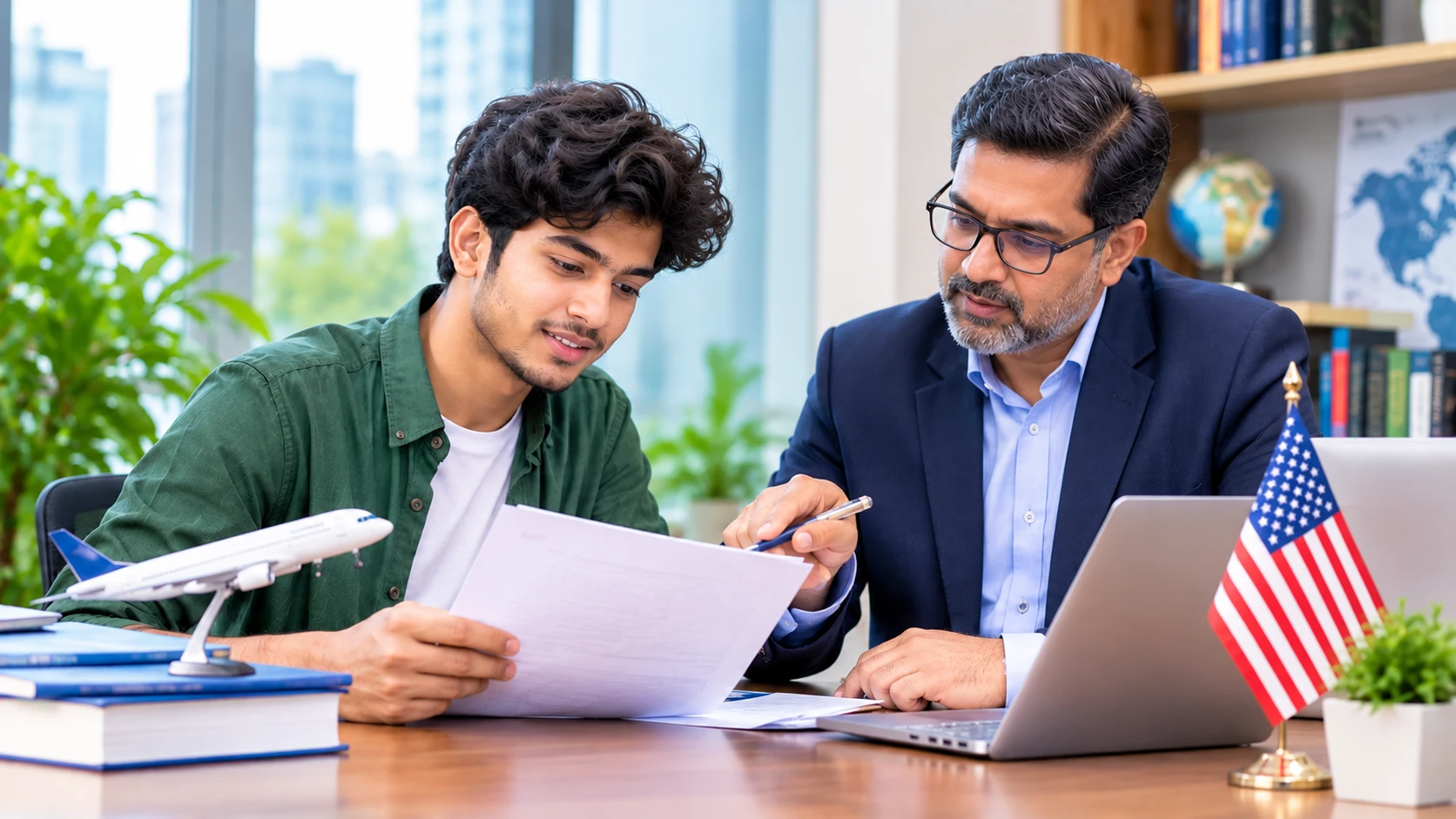
Start with the estimated costs and funding shown on your I-20. Write down who will pay, what amount each source covers and what documents support those amounts. Be ready to explain your plan beyond the first year if asked. For example, if a parent will sponsor you, be ready to describe your relationship, their source of income and which funds are available for your studies.
- Use relevant bank records to show available funds and explain unusual recent deposits truthfully.
- Prepare income evidence appropriate to your sponsor, such as salary records or business and tax records.
- Keep scholarship letters or approved education loan records available when they apply.
- Bring proof of your relationship if relevant to your funding explanation.
These are examples of supporting evidence. The specific documents requested can vary.
Common F1 visa interview questions and answers
| Practice question | How to prepare your answer |
|---|---|
| Why this university? | Name a course, lab or program feature and explain how it supports your goals. |
| Why this major? | Connect the degree with your studies, projects or work experience. |
| Who will pay for your studies? | Explain the source of funding and how it covers your costs. |
| What does your sponsor do? | Describe their actual work or business and be ready to explain the supporting records. |
| What will you do after graduation? | Describe your real career plans and where you intend to pursue them. |
| Do you have relatives in the U.S.? | Answer truthfully and keep your answer consistent with your application. |
| Why study this program in the U.S.? | Explain a specific academic feature that makes the program a good fit. |
How to answer “Why do you want to return to Bangladesh?”
Explain your actual plans after studying and how the degree supports them. A data science applicant who genuinely plans to return might explain which skills they want to develop and what type of analytics work they intend to pursue in Bangladesh. Mention relevant professional or family commitments only if they are true. Avoid memorizing someone else’s story or claiming an opportunity you do not have.
What to expect at a U.S. Embassy Dhaka F1 visa interview
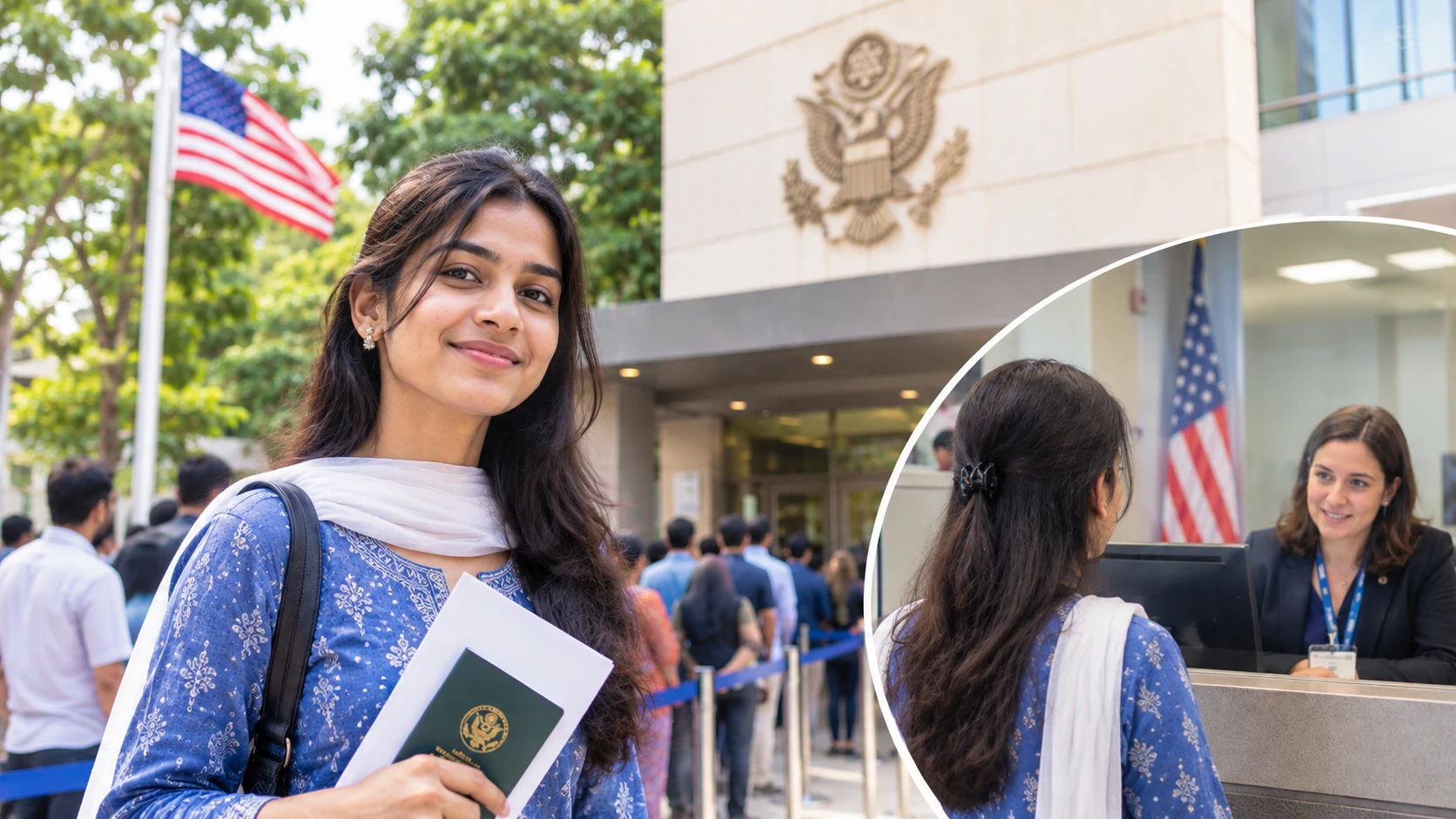
Review your appointment confirmation for arrival, security and document instructions. Keep your passport and confirmations easy to reach. At the interview, listen to the question, answer it directly and provide supporting documents if requested. If you receive a written notice, read it carefully and follow the instructions on it.
U.S. student visa interview tips
- Check your program name, start date and estimated costs against your I-20.
- Review your DS-160 confirmation and check the local appointment instructions for barcode requirements.
- Practice out loud using your own facts. Ask someone to follow up if an answer is unclear.
- Organize your documents by identity, academic preparation and funding.
- Be accurate about study gaps, family members in the U.S. and previous visa refusals.
F1 visa refusal reasons and how to reapply from Bangladesh
A refusal under section 214(b) can mean the applicant did not establish eligibility for the visa category or did not overcome the presumption of immigrant intent. Review the officer’s notice and identify what has materially changed before applying again. A new application generally requires a new application fee and interview. Disclose prior refusals accurately.
A 221(g) refusal may involve missing information or administrative processing. Follow the instructions from the embassy, including how to submit any requested information. See the State Department’s visa refusal guidance.
A mock interview plan for Bangladeshi F1 applicants
Use this exercise as part of your USA F1 visa interview preparation for Bangladeshi students. Ask someone to play the interviewer and choose three questions without telling you which ones they picked. Answer aloud, then ask them to follow up on anything that sounds vague. Keep your I-20 and a copy of your funding summary nearby so you can check details after the practice session.
- Academic fit. Write down two features of your program that matter to you. Explain how one connects to a project, course or work experience you have actually completed.
- Funding. Break down your estimated cost into the amount covered by your own funds, a sponsor or an award. If a scholarship covers only part of your tuition, explain where the remainder and living expenses will come from.
- Plans after study. Describe the work you genuinely plan to pursue after finishing your program. Identify which skills the degree will give you and how you expect to use them.
Afterward, review whether your answers matched your application, whether you gave a specific reason for choosing the program and whether you explained the funding clearly. If you struggled with a question, note the missing fact and check your records before practicing again.
Five common F1 interview mistakes to avoid
- Giving a generic reason for choosing the school. Review the course catalog and choose one specific feature you can explain. If you mention a lab or research group, check that it actually serves your program and level of study.
- Confusing the cost with the funding amount. Know the estimated cost and the amount each funding source covers. If your award has renewal conditions or covers only tuition, read the award letter before the interview.
- Repeating a scripted answer about returning home. If asked about your plans, explain them in your own words. An honest plan can be specific about the field, type of work and skills you hope to use without promising a job you have not secured.
- Overlooking inconsistencies between documents. Compare spelling, dates and program details across your passport, I-20 and application. If you find an error, check the school or appointment instructions for how to correct it before attending.
- Reapplying without reading the refusal notice. The section on the notice matters. Respond to any specific request for documentation and distinguish that from deciding whether to submit a new application after a 214(b) refusal.
Frequently asked questions
When should I start preparing?
Start once you have your program details and funding plan. Allow time to collect documents, check appointment instructions and practice your answers.
How much does an F1 visa application cost?
Budget for the visa application fee and the separate I-901 SEVIS fee. Confirm the amounts through the official application instructions before paying.
Can I apply again after a refusal?
Yes. The next step depends on the section listed on your refusal notice. Follow the embassy’s instructions and consider what new evidence or changed circumstances you can show.
What can I use as financial evidence?
Bank records, documented sponsor income, a scholarship award or an approved education loan can support your funding plan, depending on your situation.
Prepare for your interview with Aspire Global Pathways
For help reviewing your document checklist or practicing your answers in a mock interview, contact Aspire Global Pathways for study-abroad counselling. Visa decisions are made by the U.S. consular authorities.